Roof repair and replacement around Williams Park, Smyrna
The blocks around Williams Park are old in-town Smyrna: cottages and ranches from the 1940s through the 60s, small lots, and oaks that were mature before most of Cobb County's subdivisions existed. Roofs here get patched, tarped, and patched again, often for years, because finding a contractor who takes small older homes seriously is harder than it should be. Best Smyrna Roofer handles every Williams Park call itself, a local crew that treats a 1,200 square foot ranch with the same care as a new build twice its size. Inspections are free and the findings come with photos.
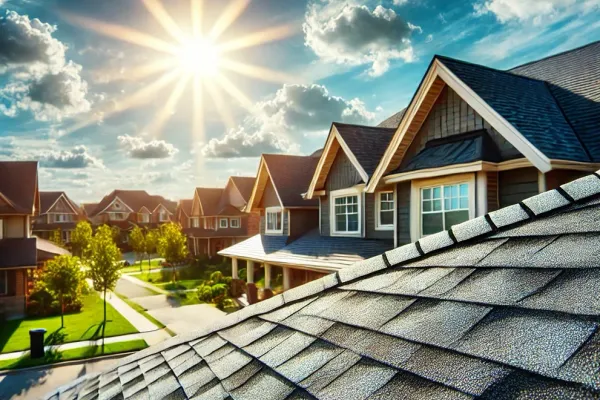
Small lots, big oaks, straight answers
Roof age is the defining fact around Williams Park. Even a shingle roof installed in the 2000s is now well into its service life, and underneath many of them sit board decking, older felt, and flashing details from an era before ice-and-water shield existed. Add the oak canopy that shades the park's surrounding streets and you get moss on north slopes, limbs down every storm season, and valleys full of leaf litter by November.
None of that makes these homes hard to roof. It makes them homes that deserve a crew that has spent years on Smyrna's older housing stock and quotes each Williams Park roof from what is actually up there. We do our own work and put every number in writing.
Decking checks before any quote
On 1940s-60s homes the shingles are half the story. The crew probes for soft board decking, checks rafter lines for sag, and confirms layer count before pricing, so the estimate you sign is the estimate you pay.
Tarps that lead to real repairs
Emergency tarping around Williams Park comes with a follow-up plan by default: documented damage, an itemized scope, and help with the insurance claim when the damage warrants one. The blue tarp is a bridge, never the destination.
The patch-on-patch problem on Smyrna's oldest streets
A roof that has been spot-repaired for fifteen years develops a patchwork of mismatched shingles, overlapping sealant beads, and nail holes from three different handymen. Each patch made sense at the time. Together they create dozens of seams where water can find a way in, which is why some Williams Park homes leak in a new spot every spring. The crew maps every previous repair during the free inspection, then gives you a real fork in the road: one comprehensive repair pass that consolidates the patchwork, or a tear-off with numbers attached. What ends is the cycle of paying twice a year for the same leak.

Oak canopy wear on Williams Park ranches
The mature oaks that make these streets feel settled are the same trees that grind roofs down. Shade holds morning damp on north-facing slopes, feeding moss and algae that lift shingle edges. Acorns and twig fall pile into valleys, dam the water path, and push runoff sideways under the courses. And every strong storm cell drops a limb somewhere near Williams Park, sometimes through decking. The response is practical: algae-resistant shingles at replacement time, valley metal kept clear, trimmed clearance over the ridge, and a fast tarp when a limb wins. The crew sees these exact patterns weekly across older Smyrna.

Budgeting a reroof on a small-lot cottage
The good news about the housing stock near Williams Park: modest footprints keep total costs down, and simple gable rooflines keep labor straightforward. Replacements here regularly land at the affordable end of Smyrna pricing, starting around $2,999 for the smallest roofs, even with board-deck repairs folded in. The crew prices decking replacement per sheet up front rather than springing it mid-job, and financing options spread the cost when a surprise tear-off was not in the family budget. An itemized written estimate means you can compare line by line against any other bid, and you should.

Job sites that respect close neighbors
Tear-offs on small lots happen close to fences, gardens, and the neighbor's parked car. Around Williams Park the crew stages accordingly: tarps over plantings, plywood shields where debris slides, a dump trailer positioned to keep the street passable, and magnetic nail sweeps across the yard and driveway before leaving. Most cottage and ranch reroofs here finish in a single day, so you are not living in a construction zone for a week. Neighbors two doors down should know the work happened only because your roofline looks straight again, not because their tires found the evidence.

Williams Park anchors one of Smyrna’s oldest intact neighborhoods, a grid of small-lot streets off Atlanta Road where cottages and ranches from the 1940s, 50s, and 60s sit under an oak canopy that predates them all. The rebuilt downtown around Market Village is a short drive north, and the contrast is the point: while new Smyrna went up in a decade, these blocks have been quietly maintaining themselves for seventy years. Roofs carry that history in layers, sometimes literally. Tarps and patch jobs are a common sight here after a hard storm season, and half the calls the crew takes from the neighborhood start with some version of the same sentence: someone fixed this before, and it is leaking again.
Spot the wear patterns on a 1940s roof before it leaks
Older Smyrna roofs telegraph their failures early, if you know the signals. From the ground, look for these before storm season does its annual audit:
- Shingle edges curling or cupping on the sunniest slope, the first sign the mat has dried out
- Dark streaks running downslope from the ridge, algae feeding where the oak shade holds moisture
- Granules collecting in gutters and at downspout mouths, the roof shedding its armor
- A wavy or sagging ridge line, which points at decking or rafter trouble underneath
- A cracked rubber pipe boot at a vent stack, the most common source of bedroom ceiling stains
- Rust bleeding from old chimney or valley flashing, metal from an era before modern coatings
Any one of these justifies a closer look. Two or more mean the roof is asking for a decision, and getting an honest read from a free roof inspection beats waiting for the ceiling to vote.
Move from patch jobs to a real plan
There is a rhythm to how these homes get maintained, and it usually runs backwards: leak, patch, wait, repeat. Breaking that rhythm starts with mapping the whole roof instead of the newest drip. When the crew inspects a Williams Park home, every previous repair gets photographed and assessed, soft decking gets probed, and the attic gets checked for daylight, moisture, and whether soffit and ridge ventilation actually move air. Then the options land on paper. Sometimes that means one comprehensive roof repair pass that consolidates fifteen years of patches into a single sound surface. Sometimes it means admitting the roof is done and pricing the tear-off honestly. Gutters join the conversation too, since undersized 1950s runs overflow against fascia boards in a standard Cobb County downpour, and gutter repair while the crew is already on site costs less than a separate visit. Before any of it, the roof cost calculator gives you a private, pressure-free range for your square footage, worth running before the first phone call.
Follow the storm season from spring hail to first freeze
The Williams Park roof year opens in March, when Cobb County’s hail window swings wide and stays open through May. Stones that bounce off a young roof bruise a sixty-year-old one. Summer shifts the threat to the daily afternoon thunderstorm cycle, June through August, when straight-line winds work at brittle shingle edges and the oaks shed their weakest limbs onto whatever sits below. September brings the tail ends of Gulf systems, wetter and windier than they look on radar. Then autumn drops the canopy into the gutters, and the freeze-thaw cycles of deep winter pry at every seal the year already loosened. The practical rhythm for an older roof: inspect in early spring before hail season, clear valleys and gutters after leaf drop, and never let a known soft spot ride through a winter. Storm damage claims also run on clocks, so a post-storm inspection within days, not months, protects both the house and the paperwork.
Count on quick trips down Atlanta Road
Response time is a geography fact before it is a service promise. Williams Park sits on the Atlanta Road corridor with South Cobb Drive and Windy Hill Road close by, all routes the crew already drives daily between Smyrna jobs, with I-285 nearby when equipment needs to come across the metro. Tarp calls reach the neighborhood in hours, inspections within days, and full projects get scheduled around your calendar rather than a regional storm-chaser’s. The same crew covers the surrounding in-town streets, including the townhome-and-cottage mix around Market Village up the road. When you are ready for an honest read on your roof, send a request or call (470) 777-7344, and expect photos, plain language, and a written number.
Is it worth repairing a roof that has been patched several times already?
Sometimes, and the honest answer depends on what the patches are hiding. If the decking is sound, the layer count is one, and the previous fixes were localized, a thorough repair pass can consolidate the patchwork and hold for years. If probing finds soft boards, widespread granule loss, or a second layer underneath, more patching is money thrown at a roof that has finished its career. The free Williams Park inspection settles the question with photos, and the crew prices both paths so the decision stays yours.
How do the mature oaks around Williams Park affect a roof?
Three ways, mostly. Shade keeps north slopes damp after rain, which feeds moss and algae that shorten shingle life. Debris fall, acorns, twigs, and leaves, dams up valleys and gutters, pushing water sideways under courses instead of down and off. And storm-dropped limbs cause the sudden damage: punctured decking, creased shingles, bent flashing. Algae-resistant shingles, clean valleys, and a little canopy trimming go a long way. After any big blow, a quick look at the roof from the ground can catch limb damage before the ceiling does.
Can you replace rotten decking on a 1950s ranch?
Yes, and around Williams Park it is routine work. Homes of this era carry plank decking rather than plywood, and individual boards soften near old leaks, chimneys, and valleys. During tear-off the crew walks the exposed deck, marks soft spots, and swaps boards or overlays sections as needed before new underlayment and drip edge go down. Per-sheet and per-board pricing is in the estimate up front, so a few bad boards do not become a renegotiation. Solid decking is what the shingle warranty, and everything else, sits on.
Will insurance pay for storm damage on an older Smyrna roof?
Often yes, when the damage is genuinely from a storm event: hail bruising, wind-creased or missing shingles, limb impact. Age alone is never covered, and adjusters look closely at older roofs, which makes documentation the whole game. The crew photographs every impact mark and slope, writes a scope that separates storm damage from wear, and will meet your adjuster on the roof at the house. Plenty of Williams Park claims come down to whether the evidence was captured before the next rain washed it away.
How soon can someone look at a leak near Williams Park?
Active leaks jump the queue. Call (470) 777-7344 and the 24/7 line moves a tarp crew the same day, usually within hours, since Williams Park sits minutes off the routes the crew already drives through Smyrna. For non-emergency concerns, a stain that appeared last month or shingles that look tired, inspections are typically scheduled within a few days and cost nothing. Either way you end up with photos, a plain-language explanation, and a written price, never a vague verbal number from the driveway.
Trade the tarp for a roof that holds
If your Williams Park roof has a patch history, a blue tarp, or a stain spreading across the ceiling, get it looked at properly. The inspection is free, the photos are yours, and the estimate is itemized. Older Smyrna homes deserve better than another temporary fix.
Not sure what a new roof runs? Estimate your roof cost in Smyrna, measured from satellite imagery, or run a storm & insurance damage check.