Roofing company serving Vinings, GA
Vinings pairs one of Cobb County's oldest settlements with some of its newest high-end construction, estates and upscale townhome communities folded into the tree cover between the Chattahoochee and Mount Wilkinson. The setting is the appeal and the challenge: river humidity feeds algae on shaded slopes, the canopy drops limbs in every serious storm, and complex rooflines multiply the flashing details where leaks start. Best Smyrna Roofer is a local roofing company operated by North Atlanta Roofing, working from next-door Smyrna. Free inspections, photo documentation, written estimates, and a crew that treats a slate-look designer roof with appropriate respect.

One local crew for the river corridor
Roofing in Vinings runs the full range on a single street. A gated estate with a steep, many-gabled roofline can back up to a townhome community where thirty units share one continuous ridge, and both sit under the same canopy that made the area famous. Materials skew premium here, designer architectural shingle, standing seam metal accents, the occasional synthetic slate, and the workmanship has to match the neighborhood's standards.
We bring the standards this market expects: GAF and CertainTeed systems installed to manufacturer spec, careful detailing on complex rooflines, and workmanship backed by a written warranty. Estimates in Vinings are free, itemized, and written after walking the actual roof.
Complex rooflines, handled calmly
Steep pitches, long valleys, dormers, and mixed materials mean more linear feet of flashing and more places to get details wrong. The crew staffs Vinings projects for the geometry in front of them, with fall protection and staging planned before the first shingle moves.
Claim files insurers take seriously
Hail and limb damage on higher-value homes draws scrutiny from adjusters. Every Vinings storm inspection produces slope-by-slope photos and a scope that separates storm impact from wear, the documentation that keeps a legitimate claim from stalling.
Humidity off the Chattahoochee and what it does to shingles
The river corridor holds moisture the way the rest of the metro does not. Morning fog off the Chattahoochee, dense shade from the canopy, and slopes that face away from the sun stay damp long after rain moves out, and damp is what algae and moss need. Streaked shingles are the visible symptom; the quiet damage is lifted shingle edges, trapped moisture against underlayment, and granule loss that accelerates every year. In Vinings the crew leans on algae-resistant shingle lines, checks attic ventilation so the deck can dry from below, and pays extra attention to north-facing and river-facing slopes during every inspection.
Townhome communities and the shared-roofline question
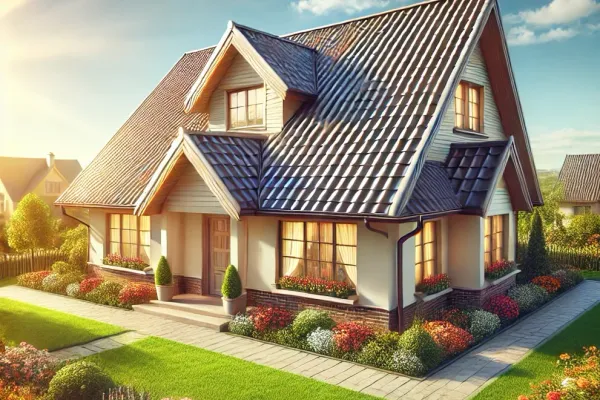
A good share of Vinings housing is attached: townhome communities where one continuous roof crosses many units, with party walls, shared valleys, and an HOA holding opinions about color and profile. Reroofing a single unit takes clean breaks at the party wall, exact shingle matching, and step flashing rebuilt where walls meet slopes. Coordinating a full building or row prices better per unit and solves matching permanently, which is why boards often bring the crew in to scope phased replacements. Either way, the estimate spells out where the work starts and stops, so neighbors and property managers are not left guessing.
Steep rooflines in the shadow of Mount Wilkinson
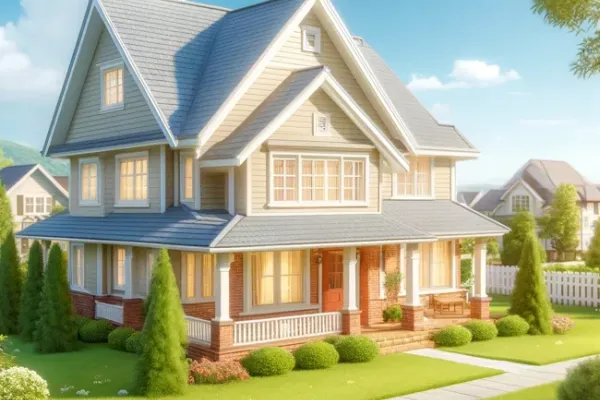
The terrain around Mount Wilkinson pushed builders vertical, and Vinings estates answered with steep, architecturally ambitious roofs: multiple gables, long valleys, dormers, and turret sections that look effortless from the street and are anything but from a ladder. Roofs like these carry more valley to keep watertight and more wind-exposed edge than a standard suburban home, and hail or uplift damage hides easily in the geometry. The crew works these projects with proper staging, walks every plane rather than sampling one, and documents each slope separately. Designer shingle and standing seam metal both have their place here; the inspection determines which one your roofline actually wants.

After the hail: building a claim that holds up
When a hail cell tracks up the river corridor, Vinings takes the hit on some of the most expensive roofs in Cobb County, and insurers respond with careful adjusters. What settles claims is evidence gathered early. The crew photographs impact bruising on shingles, dents in vents and flashing, and creased tabs slope by slope, writes a scope that separates storm damage from normal aging, and will stand on the roof with your adjuster to walk the findings. Emergency tarping comes first when water is actively entering. What follows is a documented path to repair or replacement, not a pressure pitch in the driveway.

Vinings holds an unusual position in Cobb County: an unincorporated community that predates most of the metro, tucked between the Chattahoochee River and the rise of Mount Wilkinson, the hill locals have always called Vinings Mountain. The shops and restaurants of Vinings Jubilee give the area its village center, Paces Ferry Road threads it together, and the housing tells a two-era story, historic cottages and settled estates alongside upscale townhome communities built in the decades since. What every one of those roofs shares is the setting. The river corridor’s humidity, the deep tree canopy, and terrain that pushed builders toward steep, complicated rooflines combine into a specific local weathering pattern that a roofer either knows or learns at a homeowner’s expense. Working from Smyrna next door, the crew has been reading Vinings roofs long enough to know where each era of construction tends to fail first.
Protect estate and townhome roofs under the river canopy
Tree cover is the defining roofing fact in Vinings, and it plays differently by housing type. On estates, the canopy drops limbs across large, steep planes where a single puncture can channel water into finished space three floors down, and shade patterns leave some slopes permanently damp while others bake. On townhomes, one overhanging oak can shed debris across four units’ worth of shared roofline, loading common valleys until water backs under shingles that belong to somebody else’s insurance policy. The crew’s habits reflect all of it: valley checks on every inspection, attention to the moss and algae lines that mark chronic damp, honest talk about which limbs need trimming, and material recommendations, algae-resistant shingle lines especially, matched to how much sky your roof actually sees. Underneath, balanced ventilation from soffit to ridge keeps the deck drying from below, which in this humidity is half the battle.
Line up the right work before small leaks spread
The expensive Vinings roof problems almost all start as cheap ones. A creased shingle from one windy afternoon, a pipe boot cracked by summer heat, a valley holding an inch of oak litter: each costs little to fix the week it appears and a great deal the winter after it is ignored. A standing rhythm works best in this climate. Schedule a professional roof inspection annually and after any serious hail or wind event, handle the punch list while it is short, and plan the eventual roof replacement on your calendar instead of the weather’s. Water management deserves the same attention here, because canopy debris overwhelms undersized systems fast; upgraded gutter installation with guards earns its cost on wooded Vinings lots in a single autumn. And when replacement does enter the conversation, run the roof cost calculator first. Two minutes with real square footage beats every driveway guess, and it arrives without a salesperson attached.
Track the Vinings storm year, month by month
March opens hail season, and cells riding the river corridor have a way of finding Vinings rooftops; through May, every storm that drops stones deserves a follow-up look at slopes and soft metals. June through August is the afternoon thunderstorm engine, less dramatic per event but relentless, working wind uplift at ridge caps and driving rain against every flashing seam while heat ages the sun-facing planes. September carries the remnants of Gulf systems, long soaking winds that find the canopy’s weak limbs. October and November drop that canopy into gutters and valleys, the quiet setup for winter trouble. Then the handful of hard freezes, December through February, run freeze-thaw cycles through every seam autumn left clogged, prying at seals and opening the spring’s first leaks. The rhythm suggests its own maintenance calendar: inspect before hail season, clear the water path after leaf drop, and treat any post-storm oddity, a stain, a shingle in the yard, granules in the downspout splash, as a same-week phone call rather than a someday project.
Serve Vinings from next door, not across the metro
Coverage here is a byproduct of geography. The crew’s daily routes run through Smyrna along Atlanta Road, South Cobb Drive, and Windy Hill Road, which puts the whole Vinings area, from the Jubilee village center out the Paces Ferry corridor toward the river, minutes from wherever the trucks already are, with I-285 handling anything that needs to move around the perimeter. That translates to same-day emergency tarping, inspections scheduled in days, and project crews that show up on time because the commute is short. The same coverage extends west across the river corridor to Mableton, where the housing stock changes but the weather does not. Booking a Vinings visit works the same as everywhere in the service area: pick a time online or call (470) 777-7344, and the appointment ends with photos, a plain-language read on your roof, and a written estimate with every line itemized.
Why do roofs near the river corridor grow algae streaks so quickly?
Moisture lingers in Vinings. Fog and humidity off the Chattahoochee, plus deep shade from the canopy, keep shaded slopes damp for hours after the rest of the metro has dried out, and algae colonizes damp shingle surfaces fast. The streaks are cosmetic at first, then corrosive, holding moisture against the mat and lifting edges. Algae-resistant shingles with copper-infused granules slow the process dramatically, and balanced attic ventilation helps the deck dry from below. On heavily shaded Vinings lots, occasional soft washing keeps growth from compounding between roof generations.
Do you handle the larger estate roofs around Vinings?
Yes. Steep, complex roofs are a scheduling and staffing decision more than a courage decision, and the crew plans Vinings estate projects around the geometry: proper staging and fall protection, crews sized for long valleys and dormered planes, and materials ordered for the real measured surface rather than a satellite guess. Designer architectural shingle, standing seam metal accents, and synthetic slate all show up in this market, and we install GAF and CertainTeed systems to manufacturer spec so the material warranty stands.
What should Vinings townhome owners sort out before reroofing?
Three things save the most friction. First, responsibility: confirm whether your HOA or you own the roof above your unit, because Vinings communities split this differently. Second, approvals: most associations specify shingle color and profile, and matching the existing roofline is usually mandatory. Third, boundaries: an attached reroof needs a clean break at the party wall with rebuilt step flashing, which the estimate should spell out explicitly. The crew works with owners and boards regularly and can scope a single unit or a phased full-row replacement.
How close is your crew to Vinings, really?
Next door, in the literal sense. The crew works out of Smyrna daily, and Vinings sits directly between Smyrna and the river, minutes down Atlanta Road or across the Paces Ferry corridor, with I-285 right there when equipment moves across the metro. That geography shows up in response times: same-day tarping when a limb comes through, inspections within days rather than weeks, and no storm-chaser economics where a crew appears after a hail event and vanishes before the warranty matters. Local is a checkable claim here, not a slogan.
What does roof replacement cost in Vinings?
Wider range than most of Cobb County, because the housing runs from modest townhome sections to estate roofs with serious square footage and complexity. Townhome units often land toward the affordable end, while steep multi-gable estates with designer materials climb well past the metro average. Smyrna-area projects start around $2,999 for the smallest simple roofs, and every Vinings estimate is itemized so you can see exactly where size, pitch, and material choice move the number. The roof cost calculator on this site produces a realistic range in about two minutes.
Book a free Vinings roof inspection this week
River humidity, canopy debris, and complex rooflines mean a Vinings roof should get looked at before it announces its problems through the ceiling. The inspection is free, the photos are yours either way, and the estimate arrives itemized and in writing. Start with real numbers.
Not sure what a new roof runs? Estimate your roof cost in Smyrna, measured from satellite imagery, or run a storm & insurance damage check.